







Search Results for: Fuego Estate
The Origin of Panama Finca El Fuego Coffee and an Analysis of Panama's Coffee Grading System
How did coffee from Panama's Fuego y Piedra estate enter the specialty coffee world? And what is the background of its Catuai variety? Meanwhile, what are the grading standards for Panamanian coffee beans? This article will focus on Fuego y Piedra Estate's honey-processed Catuai, covering everything from the variety's origins, terroir, and cupping performance to brewing parameters, and will also outline Panama's coffee-growing regions and grading system, giving you a complete picture of this bean. The article also includes recommendations and product information from Front Street Coffee, making it suitable for coffee enthusiasts to read in depth. [more…]
Panama Firestone Estate Coffee Flavor Analysis: Catuai Variety Characteristics and Front Street Pour-Over Parameters
Panama, as a specialty coffee-producing country, is renowned for the coffee grown in the Boquete region of Chiriquí Province in its west. The honey-processed Catuai from Finca El Fuego, with its complex flavors of lemon, orange, cranberry, and green tea, along with soft floral notes and a lingering sweet finish, has become a favorite among many coffee lovers. This article will guide you through the origins and characteristics of the Catuai variety, outline Panama's main coffee-producing regions, and share Front Street Coffee's pour-over brewing recipe for this bean, covering grind size, water temperature, and pouring rhythm step by step, helping you recreate a clean and smooth Panamanian flavor at home. [more…]
Costa Rica Fuego Phoenix Estate Blue Sapphire SOE Espresso Preparation Log: Extraction and Milk Coffee Performance of a Light-Medium Roasted Single-Origin Espresso Bean
This article is the first in a series of SOE espresso experiments launched by Front Street Coffee, using Costa Rican Fuego Phoenix Estate Sapphire coffee beans to make espresso. These beans come from the Central Valley, at an altitude of 1600 meters, sun-dried, with varieties Caturra and Catuai. The article documents in detail the extraction parameters and flavor performance, and extends to pairing tests with milk coffee. Since the beans' roast level was originally more suited to pour-over, when used for SOE, the resting period needs to be extended and the extraction time lengthened to 35 seconds, in order to fully release the fermented aromas and avoid under-extraction. If you are interested in single-origin espresso, you may wish to refer to the parameters in this article to explore more possibilities with these beans. [more…]
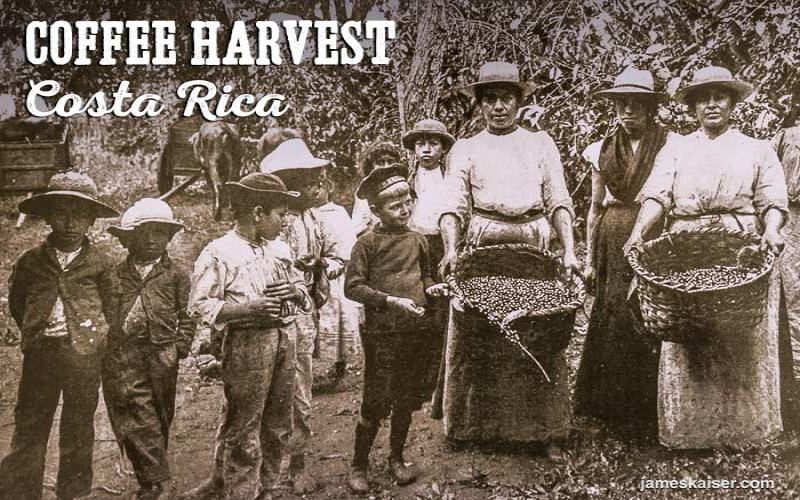
Flavor Profile and Estate Story of Costa Rica Fuego Phoenix Estate SHB Red Honey Process Green Coffee Beans
The Fire Phoenix Estate in Costa Rica's Central Valley is the earliest organic coffee producer in Central and South America to explore honey and natural processing methods. The estate sits on the fertile hills of the Poas Volcano, using a refractometer to precisely determine harvest timing, with coffee cherry sweetness reaching 21–22. This SHB-grade red honey green bean features Caturra and Catuai varieties, 18-screen size, presenting a thick, delicate flavor of dried fruit, vanilla, and honey. The honey process sits between natural and washed, retaining cleanliness while enhancing sweetness and caramel notes. Front Street Coffee's recommended Blackberry and Mozart are prime examples of the charm of Costa Rican honey processing. [more…]
Finca El Fuego: Naturally Processed Geisha Grown in Volcanic Ash Soil
In the 2025 Best of Panama Natural Geisha category, Finca Los Cenizos placed second with 96.25 points, behind only Hacienda La Esmeralda's 97-point lot. The estate's name, Cenizos, literally translates to "ashes," evoking [more…]
Flavor Analysis and Pour-Over Parameters of Panama Finca El Fuego Honey-Processed Catuai
What flavors does the honey-processed Catuai from Panama's Firestone Estate actually present? This article provides a complete analysis of this bean's characteristics, from its variety background and regional terroir to specific brewing methods. As a hybrid of Caturra and Mundo Novo, Catuai combines high yield with stress resistance, while Firestone Estate's honey processing gives it layers of lemon, orange, cranberry, and green tea. The article also records in detail Front Street Coffee's pour-over parameters: 15g of grounds, medium grind, V60 dripper, 88-89°C water temperature, a 1:15 water-to-coffee ratio, along with the complete operating procedure of staged pouring and a 2-minute extraction time, for coffee enthusiasts to reference and practice. [more…]
In-Depth Analysis of Costa Rica Fuego Phoenix Estate Coffee: Black Rose Honey Processing and Natural Flavors from the Central Valley Region
Costa Rica, with its abundant coastlines on both the east and west and its high-altitude volcanic soil, produces high-quality coffee with a mild flavor, bright acidity, and rich body. Its Central Valley production region sits at an altitude of 1,200 to 1,600 meters, where the microclimate and the fertile soil of two volcanoes together create coffee with hard beans and full aroma. Finca El Fénix, as the earliest producer in Central and South America to practice honey processing and natural processing, uses a refractometer to precisely control the harvest timing and has cultivated the astonishingly sweet Black Rose lot. This article will provide an in-depth introduction to the estate's environmental philosophy, the SHB extremely hard bean standard, and the unique processing technique of Black Rose, along with Front Street Coffee's pour-over recommendation. [more…]
Costa Rica Black Honey Process Coffee Flavor Analysis: Differences Between Hand-Brewed Black Honey Beans and Natural Honey Processing
Costa Rica is the birthplace of the honey process. To cope with inconvenient transportation and slim profits, local coffee farmers developed this processing method that falls between washed and natural. Depending on how much mucilage is retained, honey processing is further divided into yellow honey, red honey, and black honey. Among them, black honey retains the most mucilage, takes the longest to dry, and has the richest flavor. In this article, Front Street Coffee will systematically sort out the origin, process, advantages and disadvantages, and flavor characteristics of honey processing, compare the differences with the natural process, and use two beans—Costa Rica Fire Phoenix Sapphire and Canet Estate Bahia—as examples to share roasting curves and pour-over parameters, helping coffee lovers understand the source of sweetness in black honey processed coffee beans and the key points of brewing. [more…]
In-Depth Analysis of Guatemalan Geisha Coffee: Variety Characteristics and Flavor Profile of the Acatenango Region
Geisha coffee has won the hearts of many coffee lovers with its citrus fruit aromas, honeyed sweetness, and richly layered flavor. From the wild forests of Ethiopia to Hacienda La Esmeralda in Panama, Geisha's value has climbed steadily, and today producing countries such as Colombia, Guatemala, and Costa Rica have also introduced it. Because terroir varies greatly from place to place, Geisha from different origins presents distinctly different flavor profiles. This article focuses on the Acatenango region of Guatemala, sorting through its geography, variety origins, and cultivation history, describing in detail the floral notes, fruit acidity, and sweet layers of Geisha from this region, while also introducing Guatemala's washed processing methods and sharing Front Street Coffee's roasting approach and brewing parameters, offering readers comprehensive insight into the region and practical brewing reference. [more…]
Guatemalan Antigua Coffee Flavor Analysis: Tobacco Aromas and Full-Bodied Taste Born from Volcanic Soil
The Antigua region of Guatemala, with its unique volcanic soil and microclimate, nurtures coffee beans that are rich in flavor and layered in complexity. The coffee produced here often carries a signature tobacco note and a charred, smoky character, with a smooth mouthfeel where sweetness and smoky tones intertwine—earning it the name "cigarette coffee." The valley topography surrounded by three active volcanoes, the abundant nitrogen from periodic volcanic eruptions, and ample rainfall and sunshine together create the outstanding quality of coffee from this region. This article will take an in-depth look at the flavor characteristics of Antigua coffee and introduce representative lots such as El Pulcal from the Carmona Estate, allowing you to appreciate the alluring charm of this coffee praised as the "most perfect coffee bean." [more…]
Guatemala Antigua Coffee Flavor Analysis: The Origin Story and Tasting Characteristics of La Minita Estate's Flower Goddess Coffee Beans
Guatemalan Antigua coffee is celebrated as one of the world's top coffees, and its unique volcanic terrain and climate conditions produce a rich, full-bodied cup with tobacco notes. This article will guide you through the historical origins of the Antigua region, how its geography influences coffee quality, and take a deep dive into the flavor characteristics and tasting points of La Minita Estate's Flower Goddess coffee beans. We'll also recommend related products from the Front Street Coffee brand, making this a thorough exploration of every aspect of this classic coffee for enthusiasts. [more…]
A Complete Guide to Arabica Coffee Varieties: Comparing Major Origins and Flavors of Typica, Bourbon, Caturra, and More
In the world of specialty coffee, Arabica beans are the absolute protagonist. But did you know that under this species, there are many subdivisions such as Typica, Bourbon, Caturra, Catuai, and Geisha? Each has its own origin story, flavor characteristics, and suitable growing environment. Front Street Coffee has long been deeply involved in various producing regions, building a variety flavor database through cupping and roasting practice, hoping to use an easy-to-understand way to introduce you to the rich landscape of the Arabica family. This article will start with the legend of coffee's origin, compare the pros and cons of Arabica and Robusta, then explain in detail representative varieties such as Typica, Bourbon, Caturra, Catuai, Geisha, Kona, and SL28/SL34 one by one, and include Front Street Coffee's roasting curves and brewing suggestions, so you can understand the variety lineage and flavor differences of Arabica coffee all at once. [more…]
Guatemala Antigua La Minita Estate Flora Coffee Beans: A Full Analysis of Terroir and Flavor
Guatemala is a renowned specialty coffee-producing country in Central America, and its Antigua region, with its volcanic soil and unique microclimate, nurtures coffee with bright acidity and fruity flavors. The Flor de Café beans from La Minita Corporation originate here, processed by the Pastores Mill and following strict quality control procedures. This article will guide you through Guatemala's coffee-growing environment, the terroir characteristics of the Antigua region, as well as the flavor profile of La Minita Flor de Café and Front Street Coffee's brewing recommendations, ideal for coffee enthusiasts looking to gain a deeper understanding of this classic bean. [more…]
Guatemalan Coffee Regions Flavor Analysis: From Historical Evolution to the Quality Characteristics of Antigua Valley
Guatemala is located in the Central American isthmus, where its unique high mountain and volcanic terrain provides superior natural conditions for coffee cultivation. Since coffee was first introduced in the mid-18th century, the country's coffee industry has gone through ups and downs, ultimately earning frequent honors on the international stage thanks to its outstanding quality. Today, Guatemala produces about 3.5 million bags of coffee beans annually, ranking as the ninth-largest producing country in the world. The country is divided into eight major coffee regions, each with its own terroir characteristics. Among them, Santa Clara Estate in the Antigua region sits in a valley surrounded by three volcanoes. The rich minerals and water-retention capacity brought by volcanic ash make up for the area's relatively low rainfall, creating a distinctive coffee flavor. This article will take you deeper into the historical development and regional characteristics of Guatemalan coffee. [more…]
Panama Finca La Mula Single-Origin Coffee Beans: Historical Origins, Terroir, and the Cultural Story of the Catuai Variety
Panama, as an important origin of specialty coffee globally, has many renowned estates in its western region near Costa Rica and the Pacific Ocean. The Boquete production area in Chiriquí Province is the most famous, while Volcán, Candela, and other places also produce high-quality coffee beans. This article begins with the geographical distribution and historical culture of Panamanian coffee, combines the cupping performance and brewing parameters of Front Street Coffee's Fuego Estate Honey-Processed Catuai, and outlines the hybrid origin and cultivation characteristics of the Catuai variety, taking you behind the story of Front Street Coffee's Panama Fuego Estate single-origin beans. [more…]
Front Street Coffee Panama Firestone Estate Honey-Processed Catuai Flavor Analysis and Pour-Over Parameters Explained in Detail
The honey-processed Catuai from Panama's Fuego Estate is one of Front Street's most distinctive single-origin beans. It comes from the Solo Fuego producing region and is medium-roasted. In cupping it shows a complex profile of lemon, orange, cranberry and green tea, with rich fruit acidity, prominent sweetness, an even and smooth body, and a long, lingering finish accompanied by gentle floral notes. Catuai itself is a cross between Caturra and Mundo Novo, with a short stature, resistance to wind and rain, and firm fruit, and is widely planted in Central America. This article will outline the producing region background and variety characteristics of this bean, and provide Front Street's specific pour-over parameters, including coffee dose, grind size, water temperature, pouring rhythm and extraction time, for coffee lovers to reference and replicate. [more…]
An Analysis of the Flavor Characteristics of Guatemalan Coffee Regions and a Guide to Pour-Over Brewing Parameters
Guatemala's intertwined volcanic geology and tropical rainforests create microclimates that nurture coffees of remarkable complexity and elegant acidity. The country is divided into seven major producing regions, including Antigua, Cobán, and Atitlán, among which Antigua's smoky character and the Pacamara variety from El Injerto stand out in particular. The Flor coffee beans offered by Front Street Coffee come from the La Minita estate in Antigua, combining citrus and honey notes with a signature smokiness. This article will examine the terroir, history, and variety characteristics of each region one by one, and include the V60 three-pour hand-brewing method favored by Front Street Coffee's baristas, offering enthusiasts a complete reference from bean to cup. [more…]
Guatemalan Coffee Tasting Guide: Flavor Characteristics of the Antigua Region and Brewing Methods Explained
Guatemalan coffee ranks among the world's finest, thanks to its high-altitude volcanic terrain and unique microclimates. The Antigua region stands out in particular: a valley embraced by three active volcanoes, rich volcanic ash soil, and ample sunshine and rainfall give rise to exceptional coffee beans with complex layers and notes of tobacco and roasted charcoal. Front Street Coffee takes you through the origins, flavor profile, and tasting highlights of Guatemalan coffee, from aroma to finish, so you can experience the unique charm of what's known as "cigarette coffee." [more…]
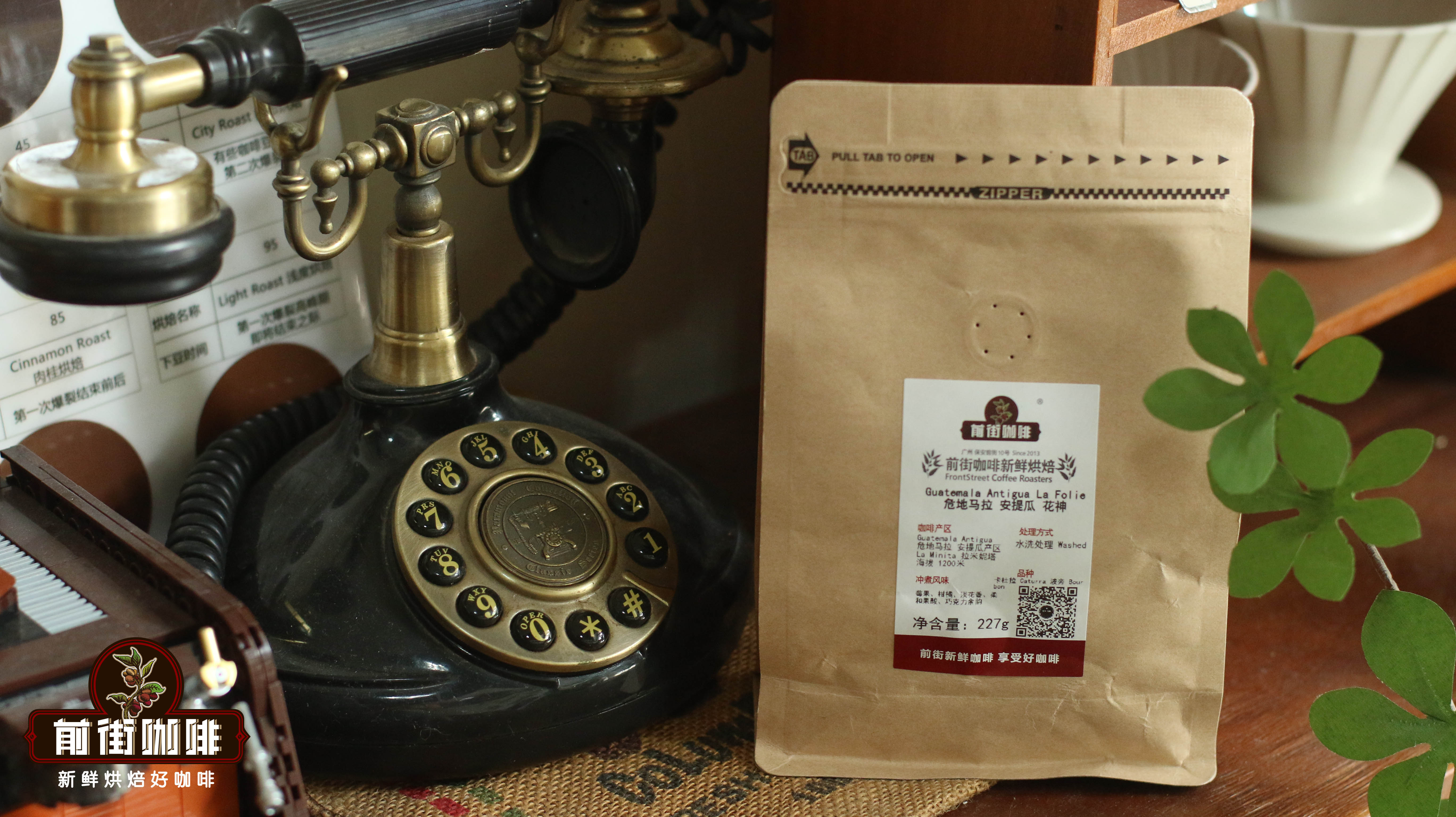
A Complete Analysis of the Flavor Characteristics and Brewing Parameters of La Minita La Flor Coffee Beans from the Antigua Region of Guatemala
Guatemala is the ninth-largest coffee producer in the world, known for its high-grown Strictly Hard Bean. Its Antigua region is surrounded by three volcanoes, with a unique microclimate and fertile volcanic soil, producing coffee famous for its bright acidity and fruity notes. The "Flor" brand created by La Minita in this region has attracted much attention for its strict cultivation and quality control systems. This La Minita Flor coffee bean, offered by FrontStreet Coffee, comes from the Antigua region, uses Bourbon and Caturra varieties, is washed-processed, and medium-roasted, presenting rich layers of berry acidity, citrus, and a slight chocolate note. This article will introduce in detail the background of Guatemalan coffee origins, the terroir conditions of the Antigua region, as well as specific information about this Flor coffee bean and Front Street's recommended brewing method. [more…]
A Complete Guide to Guatemalan Coffee: SHB Grade Characteristics and Flavor Stories from Eight Major Regions
Although Guatemala is not mentioned as frequently as Brazil or Colombia, it has earned its place in the specialty coffee landscape with its rich, smooth body and distinctive charcoal-roasted aroma. This article focuses on the SHB grading characteristics of Guatemalan coffee, reviews the country's geography, climate, and cultivation history, and introduces one by one the eight major producing regions defined by the Guatemalan Coffee Association, including Antigua, Huehuetenango, Cobán Rainforest, Atitlán, and others. At the same time, using the three producing regions of Antigua, Huehuetenango, and New Oriente as representatives, it presents in detail the origin information, estate management methods, and brewing parameters of Front Street Coffee's Flor de Dios and Huehuetenango everyday beans, helping coffee enthusiasts gain a comprehensive understanding of the terroir charm of this Central American producing country. [more…]